
Applications:
·Used as the primary active ingredient in hand soap, laundry detergent, body wash, laundry powder, and dishwashing liquid, where it acts as an emulsifier, foaming agent, and detergent
·Used as an emulsifier in wool detergents and degreasers, fabric scouring agents and detergents, dye leveling agents, decolorizing agents, and glass fiber drawing oils
·Used in industrial detergents, metal cleaners, abrasives, lubricants, degreasers, etc.
·Used as an emulsifier and antistatic agent in emulsion-based, cream-based, and shampoo-based cosmetics
·Used in paper deinking agents, pesticide emulsifiers, crude oil demulsifiers, lubricant emulsifiers, electroplating solution additives, and paint pigment dispersants, among others
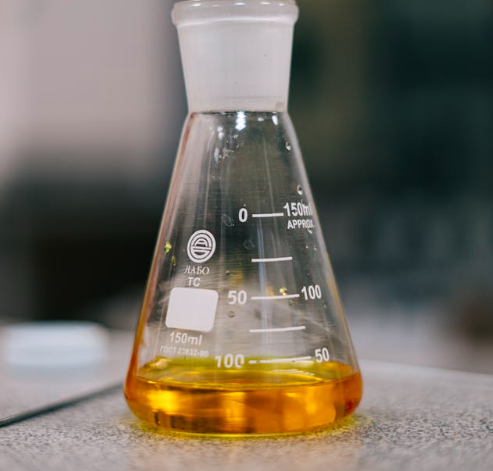
| CAS:68439-50-9 | Synonyms: Fatty alcohol polyoxyethylene ether、Emulsifier AEO-9;Fatty alcohol polyglycol ether、Peregal、Alcohols C12-18 ethoxylated、Neodol 25-9、emulsifier MOA-9 |
|---|
AEO-9 is a non-ionic surfactant produced by the condensation of natural fatty alcohols with approximately 9 moles of ethylene oxide. Its primary functions are as a hydrophilic emulsifier, detergent, and wetting agent. It exhibits excellent emulsifying, degreasing, cleansing, wetting, dispersing, and antistatic properties, making it particularly suitable for formulating O/W (oil-in-water) emulsions.
· Primarily used in various industries, including household and personal care detergents, textile printing and dyeing, industrial cleaning, cosmetics, pesticides, papermaking, leather, and metal processing.
| Features: ·Excellent emulsifying, degreasing, cleansing, wetting, dispersing, antistatic, and rust-preventive properties ·Good stability; resistant to acids, alkalis, high temperatures, hard water, and inorganic salts ·Good biodegradability and low-temperature performance; not affected by water hardness ·Can be blended with nonionic, anionic, and amphoteric surfactants |
Claims:
Exceptional emulsifying properties
Chemical Type:
Surfactant Non-ionic + Fatty alcohol polyoxyethylene ether
Ingredient Origin:
Produced by the condensation of natural fatty alcohols (typically C12–14 or C12–18 alcohols) with ethylene oxide (EO) in the presence of an alkaline catalyst such as sodium hydroxide. The fatty alcohol reacts with approximately 9 moles of ethylene oxide to form a polyethylene oxide chain, combining both hydrophilic groups (polyethylene oxide chains) and lipophilic groups (fatty alcohol alkyl chains).
Manufactured In:
China
Packaging:
Bulk Tank Trucks + Drums + Intermediate Bulk Container IBC
| Product: | AEO-9 |
| Technical Specifications | |
| Appearance | Clear liquid |
| pH (1% aq. solution) | 5.0-7.0 |
| Water Content(%) | ≤0.3 |
| OH Number(mgKOH/g) | 95±5 |
| Cloud Point (0.5% aq.) | – |
| HLB | 12-14 |